Track-mounted systems
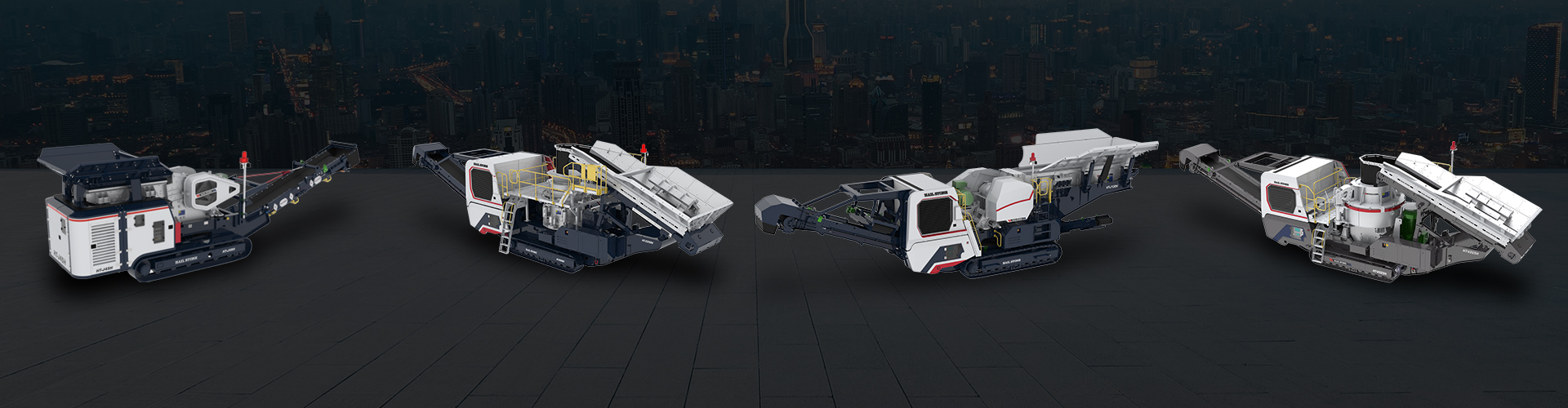
Crawler-mounted jaw, cone, screen and VSI configurations for relocatable crushing, screening, aggregate production and recycling.
- Track-mounted jaw
- Track-mounted cone
- Track-mounted screen
- Track-mounted VSI
GANGANAGAR MOTORSTradition × ProgressionEnquire↗
Material processing · GNM Infrasolution
GNM Infrasolution helps customers evaluate Hailstone crushing, screening and washing systems around feed characteristics, required output and the complete plant flow.
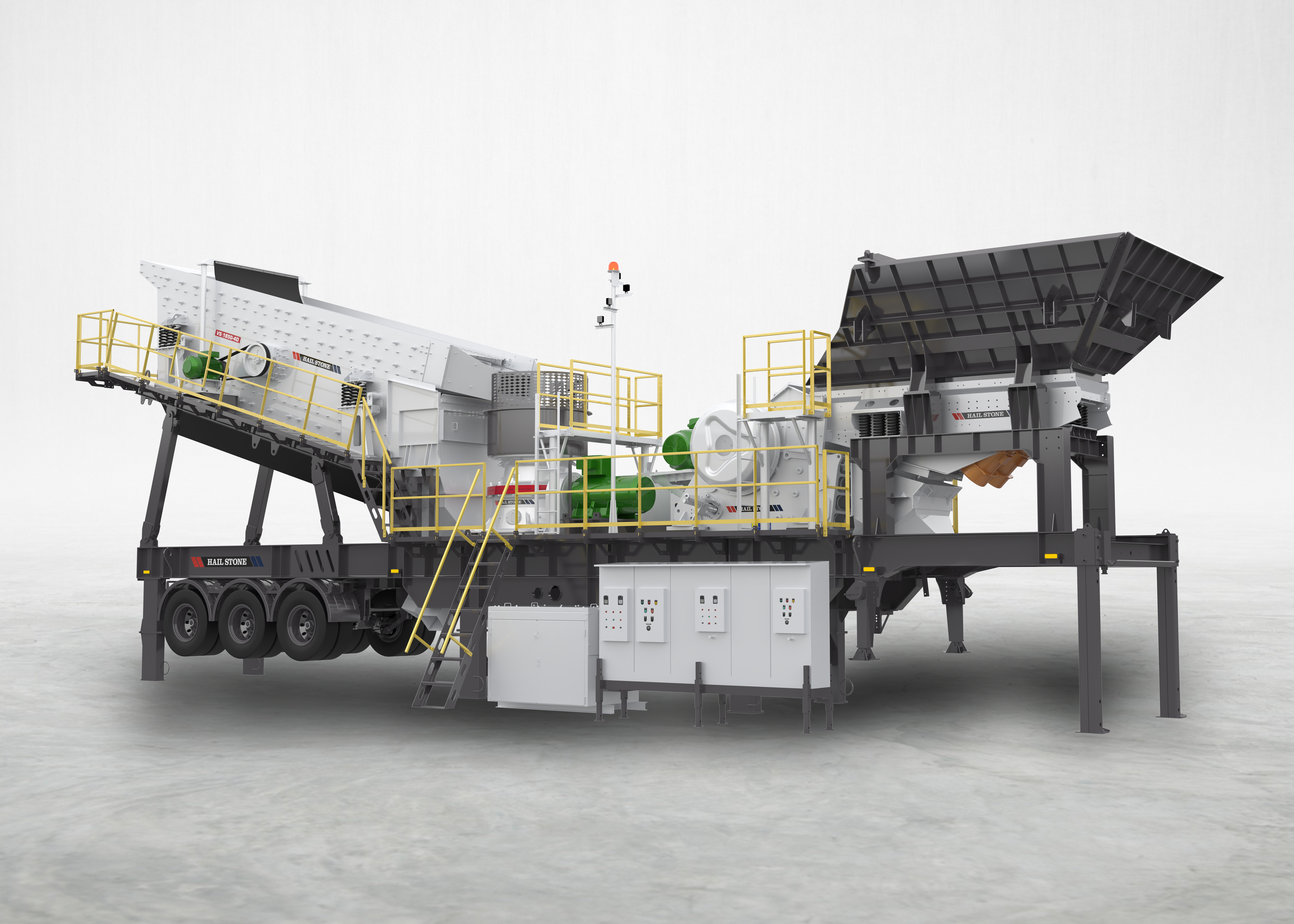
Wheel-mounted Smart JHF Series / Official Hailstone imageryThe processing question
Hailstone’s portfolio connects feeding, reduction, shaping, sizing, washing and water-management requirements across mobile and stationary configurations.

Application discussion · circuit planning · equipment coordination · delivery · commissioning and support routing
Product architecture
The equipment format follows the project: mobility, output, material, final specification, footprint and future relocation all influence the right route.
Crawler-mounted jaw, cone, screen and VSI configurations for relocatable crushing, screening, aggregate production and recycling.
Wheel-mounted jaw, cone, combined plant and VSI routes designed for transportability, rapid setup and temporary or longer-duration projects.
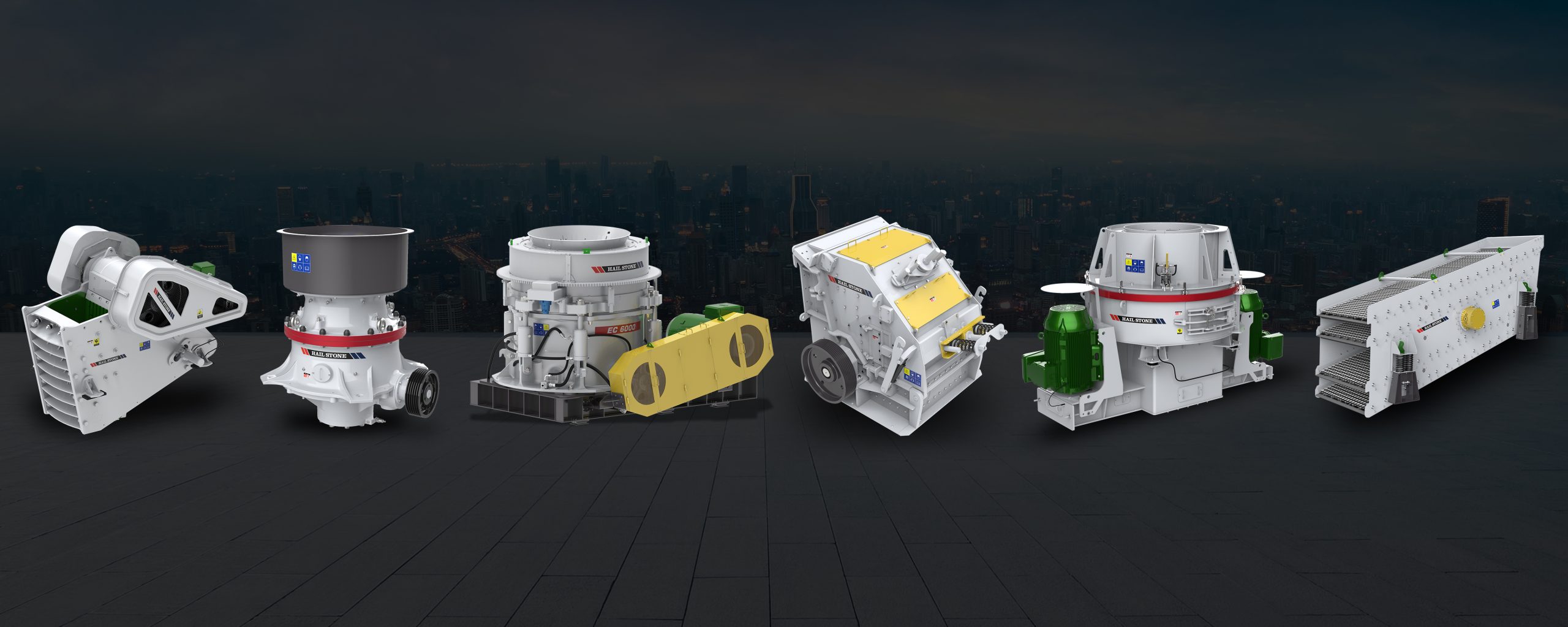
A broad stationary portfolio for primary, secondary, tertiary and shaping duties, together with feeding and multi-deck screening.
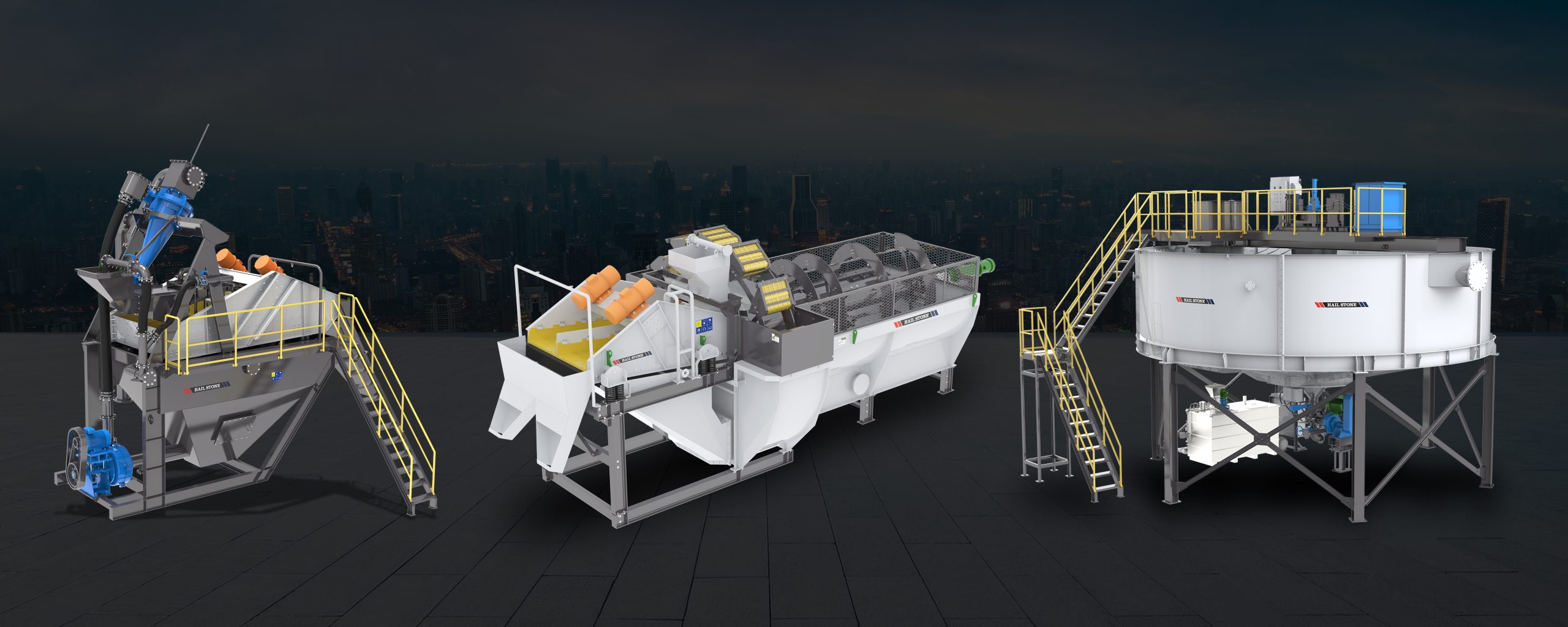
Fine-material washing, classification, dewatering and settling systems for improving sand quality and supporting water reuse.

Track-mounted equipment
Hailstone’s Hail Track portfolio currently presents jaw, cone, screen and VSI configurations for primary through tertiary processing and standalone duties.
The current official catalogue includes examples such as HT J45 and HT130 track-mounted jaws, HT309G and HT411 screens, and HT V225-H VSI. Capacity varies with feed, moisture, settings and operating conditions; confirm the final duty against the quotation.
Stationary crushers & screens
Stationary plants offer the freedom to configure each stage around long-term production, maintenance access, stockpiling and the civil layout.
Explore the official stationary range ↗
Jaw · cone · VSI · HSI · roller · screenRobust first-stage size reduction, selected around feed opening, lump size, material and required capacity.
Versatile reduction stages for aggregate circuits and changing production requirements.
Inter-particle and impact routes where product shape, fine aggregate or manufactured sand is central.
Primary, secondary or tertiary impact crushing according to material and application.
Mobile, portable and stationary feeding for abrasive or softer rock, slag, recycling and industrial materials.
Two-, three- and four-deck arrangements with screening media chosen for the material and finished sizes.
Plant-flow thinking
Not every project needs every stage. The value lies in defining the complete material balance before selecting individual machines.
Receive the material consistently and control the load entering the primary stage.
Reduce blasted or excavated feed using a jaw or other application-matched primary route.
Develop the required reduction ratio and throughput with cone or impact technology.
Use tertiary, VSI or roller-crusher stages where cubical shape and fines production matter.
Separate products by size with the correct deck arrangement, aperture and screening media.
Remove impurities, recover usable fines and manage water according to the finished-product requirement.
Washing & recoveryWashing solutions
Hailstone’s current washing portfolio includes ADD WASH, bucket wheel classification and thickening. The right combination depends on feed fines, clay, required sand specification, water availability and recovery targets.
Prepare the plant brief
A useful proposal begins with representative material data and clearly defined finished-product requirements.
Rock type, abrasiveness, compressive strength, bulk density, moisture and contamination.
Maximum lump size, size distribution, fines percentage and consistency of the incoming material.
Required sizes, gradation, shape, sand specification, cleanliness and number of stockpiles.
Average and peak tonnes per hour, shifts, annual volume and expected utilisation.
Available footprint, bench or quarry layout, access, power, water, civil work and environmental controls.
Relocation frequency, transport limits, commissioning date, operator readiness and maintenance planning.
The GNM route
Material, feed, finished sizes, output, mobility, site constraints and project schedule.
Coordinate the appropriate mobile or stationary crushing, screening and washing route.
Review process assumptions, scope, utilities, civil responsibilities, commercial terms and delivery.
Coordinate installation or commissioning and remain connected for parts, service and operating feedback.
Information discipline
Product families and example models shown here are drawn from Hailstone’s official India website. Final configuration, capacity and specification must be established against representative material, site conditions and Hailstone’s current proposal.
Hailstone equipment enquiry
Share the feed material, maximum size, target products, tonnes per hour, site location and mobility requirement. Our team will help structure the next technical conversation.
prateek@gnmotors.org 73000-86000